Why Choose Us?

The first domestic enterprise in China to obtain dual full-process tracking certifications from both the European EFSA and the US FDA NOL

Recycling Certification:

Materials

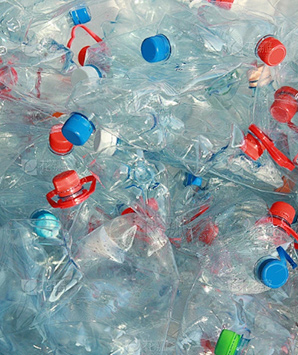
rPet

Mineral water bottle

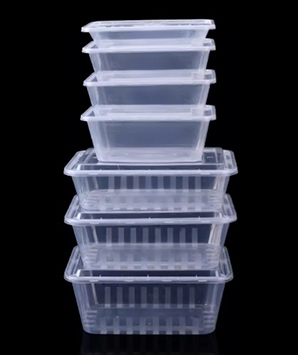
rPP

Disposable food container

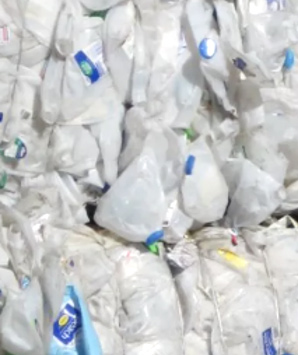
rPE

Milk bottle

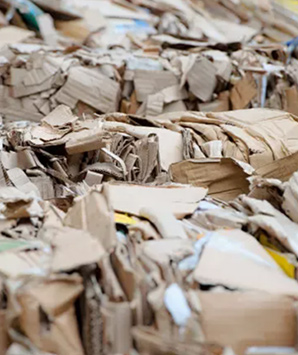
Recycled cardboard Pine fiber

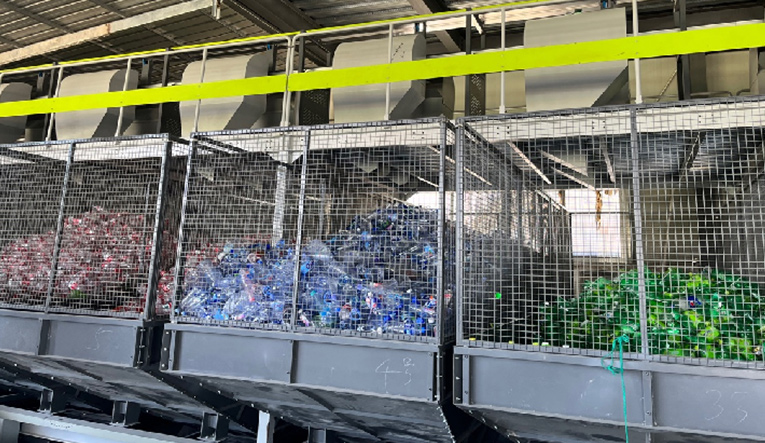
Intelligent Recycling Station

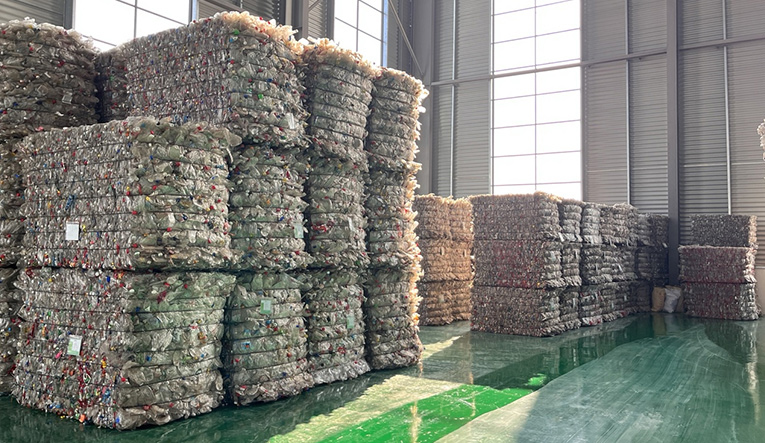
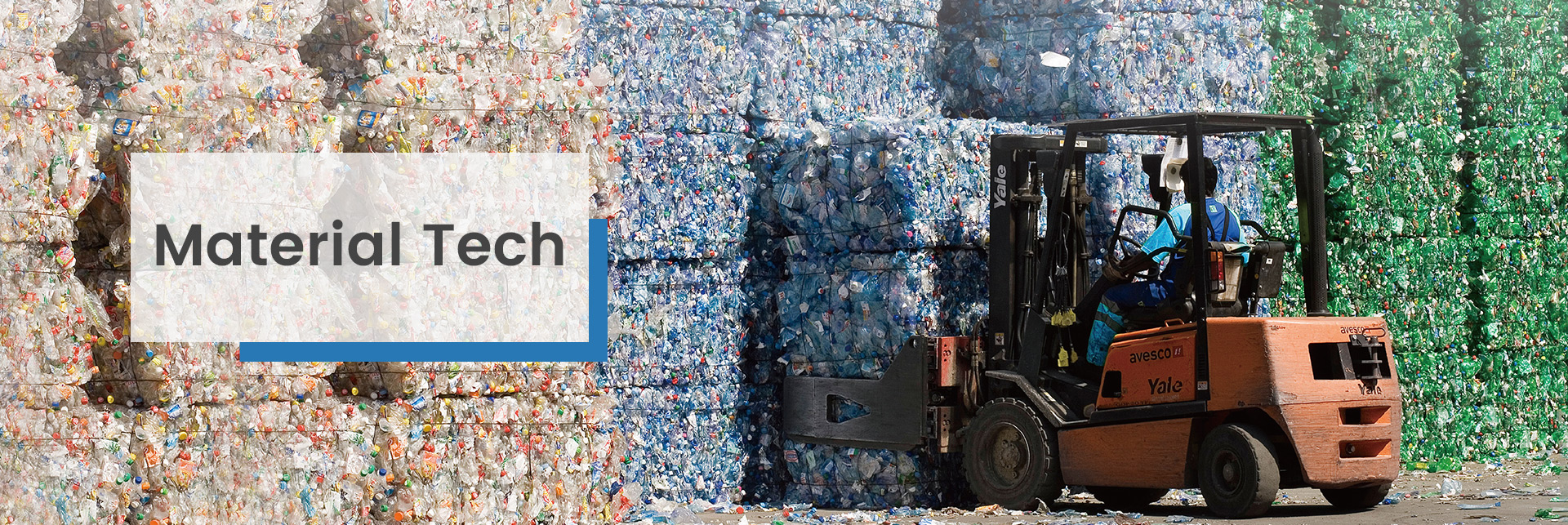
Source: Post-consumer PET bottles (PCR), with GRS certification.

Key Pre-treatment: Intelligent sorting system, precisely sorting by brand, color and material, improving the purity and stability of incoming materials.

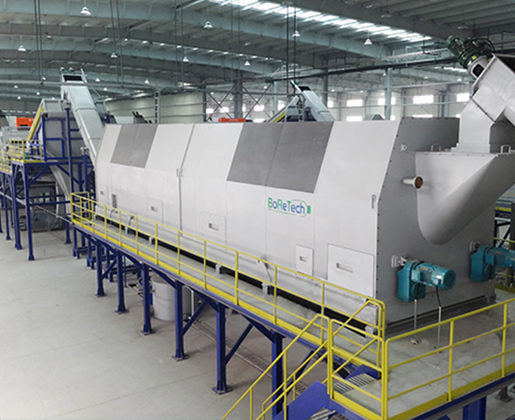
Closed-loop Production System

Step 1: Use BORETECH for cleaning. It involves 32 cleaning procedures to ensure that the bottles meet food safety standards.

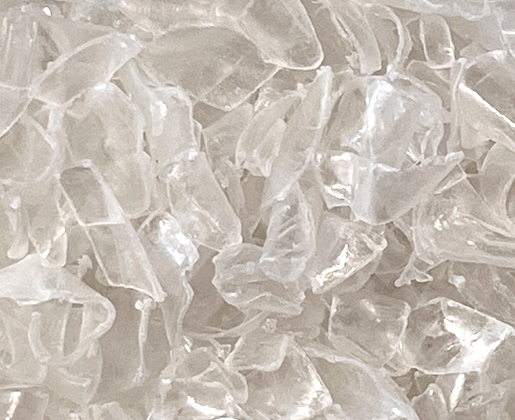
Step 2: Crush the bottle into 3-12mm bottle flakes.

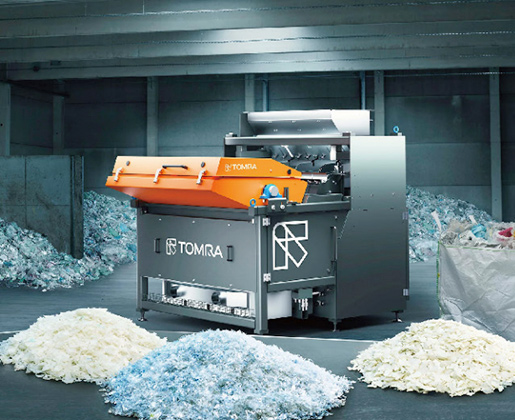
Step 3: The imported TOMRA sorter from Norway has enabled the purity of rPET, rPP and rPE materials to reach 99.9%.

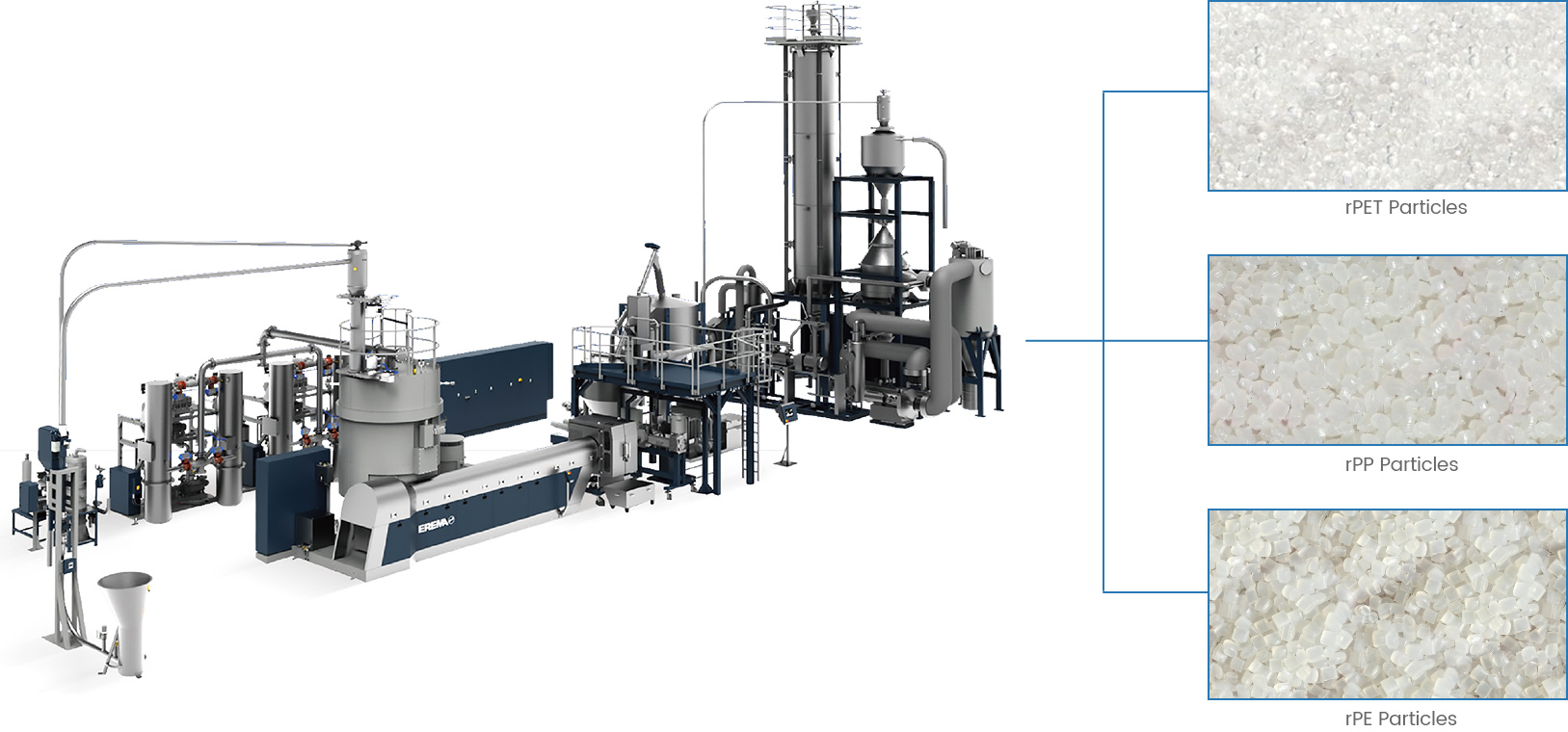
Step 4: The Austrian-imported EREMA technology realizes online thickening and crystallization granulation, ensuring that recycled materials comply with new material standards.

rPET Advantages

JOYHOME has chosen to recycle and reprocess discarded PET bottles into rPET and directly apply it to food-grade tableware and other finished products, because we aim to bring back “disposable” plastics into the usable product system. While meeting safety and stable quality requirements, we also aim to reduce the risk of waste entering landfills or the natural environment, and to decrease our reliance on primary petrochemical resources.

Material Application

We have dozens of material modification formulas, with a temperature range covering 70°C–245°C, which can be adapted to different product lines and usage scenarios.

Application scenarios: rPET tableware, rPET cooking utensils, rPET storage box, rPET kid’s dinnerware set, rPET drinkware, rPET toilet set

Wood Fiber Process

Characteristics and Advantages

Product advantages:

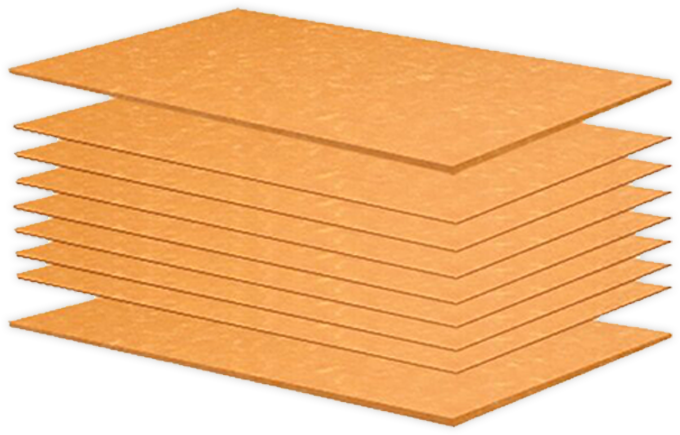
Production process: Using kraft paper as the base material, it undergoes phenolic resin impregnation.
High-temperature and high-pressure lamination: After stacking multiple layers of impregnated paper, they are subjected to hot-press lamination for curing. The forming pressure per unit area is approximately 3000 tons per square meter.
Dense and non-porous surface: After hot pressing, it forms a high-density integrated structure, with a denser surface and fewer pores, reducing the risk of water seepage and dirt accumulation.
CNC precision processing: After cutting, chamfering, and polishing, etc., for post-treatment, to ensure dimensional consistency and edge feel.
滚动至顶部